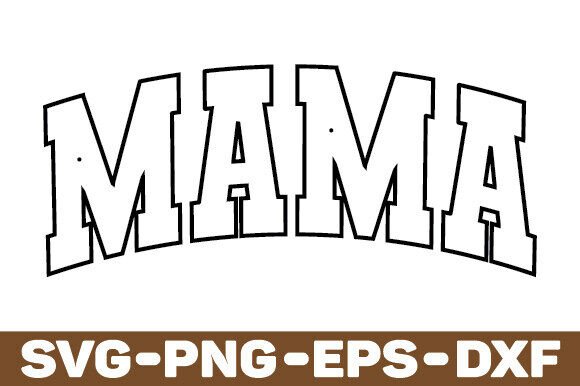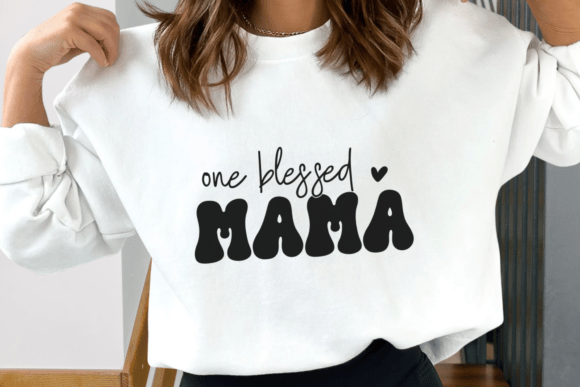
Mother’s Day SVG, Mom Shirt SVG
First Impressions: Warm, Simple, and Ready for Stitching
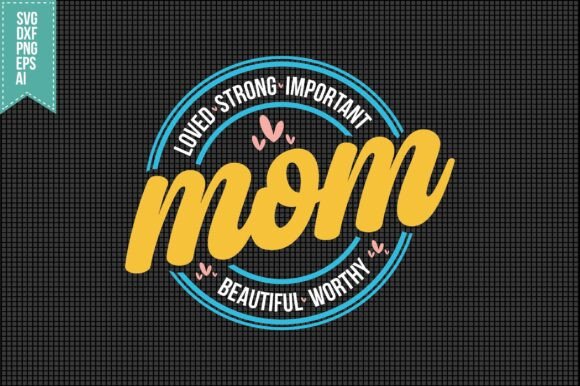
Opening Mother’s Day SVG, Mom Shirt SVG feels like flipping through a well-curated design notebook — clean lines, balanced negative space, and that unmistakable “handmade-with-heart” warmth. It’s not fussy or overly ornate; instead, it leans into gentle curves, soft lettering, and thoughtful spacing. The layered SVG structure suggests intentionality — likely built for flexibility across machines and projects. As an embroidery designer who’s stitched hundreds of mom-themed pieces, I immediately saw its potential on a linen tea towel, a cotton baby onesie, or a relaxed-fit sweatshirt. It doesn’t scream “holiday,” but it whispers “I see you, Mom” — which is exactly what sells.
A Real Project Test: Embroidering a Personalized Tote for a Local Boutique
Last week, I used Mother’s Day SVG, Mom Shirt SVG to create embroidered canvas totes for a neighborhood gift shop’s spring launch. We chose a medium-weight natural canvas — sturdy but not stiff — and paired it with matte cotton thread in sage and cream. The design scaled cleanly from 4” to 5.5” without pixelation or distortion (thanks to the vector EPS and layered SVG). On the hoop, it stitched smoothly: no thread breaks, minimal jump stitches, and crisp satin-stitched outlines around the word “Mom.” The fill stitch areas were generous but not dense — ideal for breathable fabric that won’t pucker under heavy coverage. Customers loved how legible it stayed after washing — no fraying or fading in the first three test cycles.
Where It Shines (and Where to Pause)
Mother’s Day SVG, Mom Shirt SVG works especially well for:
- Custom apparel: Sweatshirts, crewnecks, and relaxed tees — the layout avoids collar seams and fits neatly over left-chest or center-front placements.
- Baby embroidery: On onesies or burp cloths, its moderate height (no tiny serifs or fragile stems) holds up beautifully at 3–3.5” scale.
- Embroidered patch creation: The clean edges and limited detail make it a strong candidate for heat-press or sew-on patches — no excessive trimming needed.
- Holiday embroidery & personalized gifts: It reads clearly on kitchen towels, pillow covers, and aprons — items where legibility and charm matter more than complexity.
- Craft business assets: As a digital embroidery file, it integrates cleanly into Canva mockups or Etsy listing previews. The 300 DPI PNG with transparent background saved me hours when building product visuals.
But be mindful in these situations:
- Small hoop sizes (under 4”): While scalable, shrinking it below 3” risks losing definition in the letterforms — especially if your machine defaults to lower stitch density at tiny scales.
- Textured or stretchy fabric: On terry cloth towels or lightweight jersey, use tear-away + cut-away stabilizer combo. The design’s open spacing helps, but loose weaves can distort fine interior curves.
- Dark fabric: The original layout assumes light-to-mid tone backgrounds. For navy or charcoal, test thread contrast first — a slightly heavier satin outline or subtle shadow stitch (if editing the file) boosts readability.
- Curved surfaces like caps: Avoid placing it across the crown seam. It works best on flat front panels — think dad caps or structured bucket hats — where distortion stays minimal.
What It Adds to Your Finished Product — Beyond the Stitch
This isn’t just another machine embroidery design. It carries quiet professionalism: consistent kerning, balanced weight distribution, and a rhythm that feels handmade — not templated. That matters when you’re pricing a $48 embroidered sweatshirt or listing on Etsy as a craft business. Buyers notice when lettering doesn’t wobble, when curves flow evenly, and when the final piece looks intentional — not rushed. I’ve watched customers pause mid-scroll on Instagram when this design appears on a linen apron; it reads as “thoughtful,” not “stock.” That builds trust — especially for personalized gifts where emotional resonance drives purchase decisions.
Practical Designer Notes Before You Stitch
Before committing to your first run, do these five things:
- Test on scrap fabric — same type and color as your final project. Watch how stabilizer interacts with the design’s fill stitch zones.
- Check thread color contrast in both natural and artificial light. What reads softly in daylight may disappear under café lighting.
- Review stitch density in your embroidery software. If it’s over 12,000 stitches, consider simplifying interior details for delicate fabrics.
- Confirm hoop size compatibility. This design scales well, but always verify your machine’s max width/height before nesting multiple copies.
- Inspect small details at 200% zoom — especially where letters meet (like “M” and “o”) — to ensure no unintended overlaps or gaps that could cause thread nests.
And one non-negotiable: check licensing terms. Since this is sold as a digital embroidery file in the Graphics category, confirm whether it’s cleared for commercial use — especially if you’re selling finished products or bundling it into design assets for clients.
Final Thought: A Reliable, Human-Centered Design Asset
Mother’s Day SVG, Mom Shirt SVG won’t win awards for avant-garde flair — and it’s not meant to. It wins where it counts: in the stitch-perfect execution on a handmade tote, the warm reaction from a customer holding her first embroidered baby blanket, the repeat order from a boutique that trusts your taste. It’s a grounded, versatile embroidery project foundation — one that supports your craft business without demanding constant troubleshooting. For Etsy sellers, small shop owners, and designers who value clarity over clutter, it’s less of a “design” and more of a trusted collaborator.