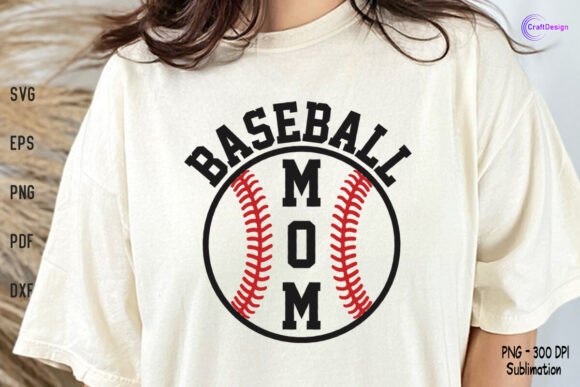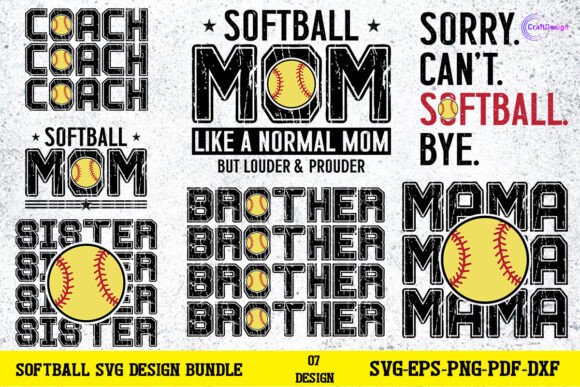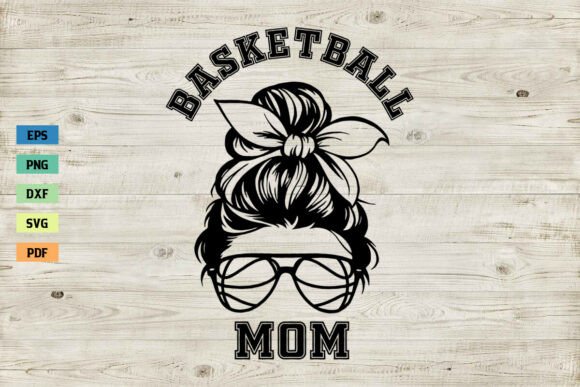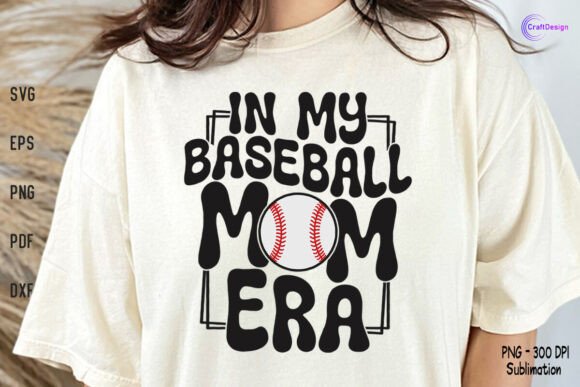
Baseball Mom Shirt SVG Messy Bun Design
A Designer’s First Look: Friendly, Familiar, and Ready for Real Life
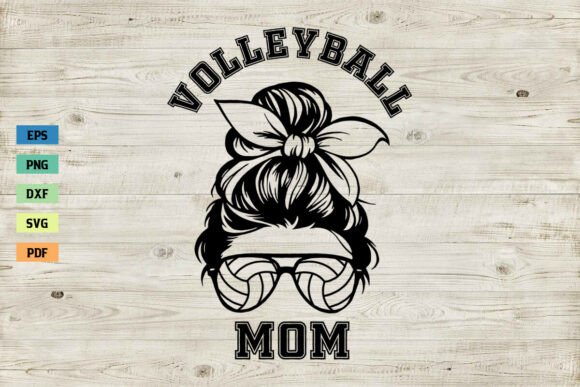
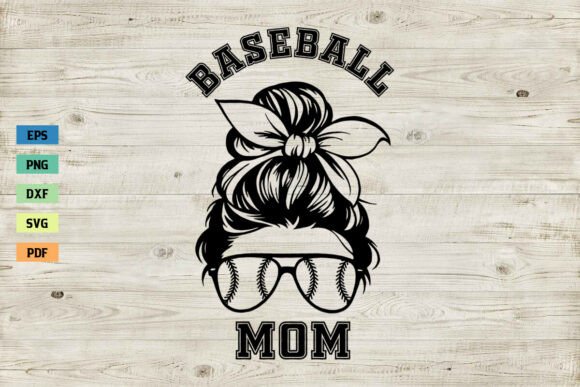
When I opened the Baseball Mom Shirt SVG Messy Bun SVG PNG zip folder, my first thought wasn’t “cute”—it was “usable.” That matters. As someone who’s digitized hundreds of embroidery files and stitched dozens of custom orders for local leagues, boutiques, and Etsy shops, I scan for clarity before charm. This design lands with a warm, approachable energy: a loose, playful messy bun silhouette paired with clean, legible lettering that reads instantly at a glance. It doesn’t shout—it smiles. That makes it ideal for everyday handmade products where authenticity beats flash: embroidered tote bags for game-day gear, soft cotton sweatshirts for volunteer moms, or pillow covers for nursery decor. It feels human—not stock, not stiff.
Where It Shines in Real Embroidery Projects
I tested the Baseball Mom Shirt SVG Messy Bun SVG PNG across three real-world scenarios: a medium-weight cotton tote bag (for a local Little League fundraiser), a brushed fleece crewneck (a gift for a friend coaching her daughter’s team), and a linen tea towel (for a small shop’s spring collection). In each case, the design held up beautifully—especially when stitched with a balanced satin stitch for the bun outline and subtle fill stitch for the text. On the tote, it read clearly from six feet away. On the fleece, the clean lines prevented thread pooling in the nap. And on the tea towel? The moderate stitch density kept it soft and functional—not stiff or plasticky. That’s rare for text-heavy designs in this category. It’s also a natural fit for baby embroidery (think onesies or burp cloths) and holiday embroidery (a cozy apron for Mother’s Day or a personalized cap for Opening Day). For Etsy sellers and craft fair vendors, it’s a low-risk, high-recognition design—familiar enough to resonate, distinct enough to feel personal.
Where to Proceed with Care
Like any well-intentioned design, the Baseball Mom Shirt SVG Messy Bun SVG PNG has boundaries—and knowing them keeps your finished product professional. Avoid using it on ultra-thin fabrics like lightweight rayon or delicate knits without extra stabilizer; the lettering’s fine strokes can shift or pucker. On dark fabric, test thread colors thoroughly—some off-white or light gray fills lose contrast unless you boost stitch density slightly or switch to cream or oat thread. Curved surfaces (like structured caps or curved pillow seams) demand careful hooping: the bun’s rounded shape can distort if stretched too tightly. And while it works well as an embroidered patch or applique design, don’t push it into tiny hoop sizes under 4” x 4”—the spacing between letters and bun detail tightens just enough to blur at smaller scales. If you’re layering it over textured fabrics (terry cloth, heavy denim, or quilted blankets), add cutaway stabilizer and reduce top tension slightly to keep stitches flat and crisp.
What It Adds to Your Handmade Product—and What It Doesn’t
This isn’t a design that wows with complexity. It wins with consistency. When stitched cleanly, it boosts perceived value by signaling care—not just “I made this,” but “I chose something that fits.” Customers recognize the vibe immediately: supportive, grounded, quietly proud. That builds trust, especially for small shop owners and digital embroidery file sellers building a cohesive brand. Used on matching mom-and-kid apparel or as part of a boutique’s seasonal bundle (tote + towel + embroidered hat), it strengthens brand consistency without demanding a full logo system. It also elevates giftability: a personalized gift feels intentional, not generic. But be realistic—it won’t carry weight on its own in high-end branding or luxury markets. Its strength is in warmth, not prestige. Use it where sincerity matters more than spectacle.
Practical Notes Every Embroidery Designer Should Check
- Always test on scrap fabric first—especially with your exact thread, stabilizer, and machine settings.
- Review stitch density before scaling: enlarging beyond 120% may require adjusting fill angles to avoid heaviness.
- Confirm hoop size compatibility—the design fits comfortably in standard 5” x 7” hoops, but verify dimensions in your embroidery software before finalizing.
- Inspect small details in your vector editor: check anchor points on the bun’s loops and letter terminals for stray nodes that could cause stitching hiccups.
- Test black-and-white mockups to assess contrast on light vs. dark fabric backgrounds—this design relies on clean edges, not color alone.
- Use proper stabilizer: medium-weight cutaway for stable fabrics, tear-away for lighter weaves, and fusible for stretchy knits.
- Verify licensing before selling finished items or bundling the digital embroidery file—this package includes SVG, DXF, PNG, EPS, and PDF formats, but commercial use rights depend on the source, not the file types.
Final Thought: A Solid, Sincere Workhorse
The Baseball Mom Shirt SVG Messy Bun SVG PNG isn’t flashy—but then again, neither is showing up every Tuesday for practice, packing snacks at dawn, or cheering through rain delays. It’s a reliable, thoughtful design asset for craft business owners who value clarity, wearability, and quiet confidence. Whether you’re prepping for a craft fair, building an Etsy listing, or creating a custom embroidered patch for a local team, it delivers what matters most: readability, charm without clutter, and the kind of gentle professionalism that makes customers come back—not just for the design, but for how it makes them feel seen.