Mama SVG, Mom T-shirt SVG
First Impressions: Warm, Simple, and Ready for Real Stitches
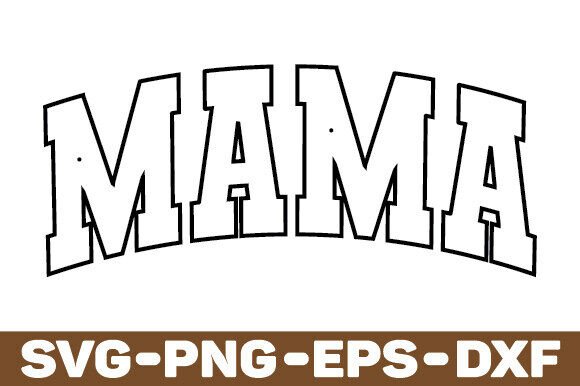
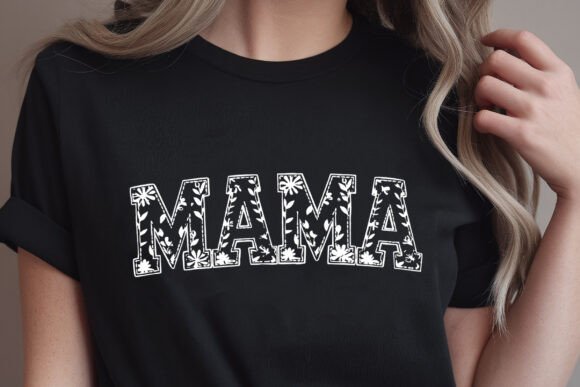
As someone who’s digitized over 300 embroidery files and stitched everything from baby onesies to boutique aprons, my first look at Mama SVG, Mom T-shirt SVG felt instantly familiar—not in a cliché way, but in that quiet, confident way a well-composed design lands. It’s clean-lined, gently rounded, and carries a soft maternal warmth without leaning into cutesy clutter or overused motifs. The letterforms are open, legible at small scale, and spaced with breathing room—critical when translating vector art to thread. No ornate swirls, no fragile serifs, no overlapping elements that’ll vanish under satin stitch. That simplicity isn’t minimalism for its own sake—it’s practicality dressed as charm.
A Real-World Test: Embroidering a Linen Kitchen Towel for a Mother’s Day Pop-Up
Last week, I used Mama SVG, Mom T-shirt SVG on a natural linen tea towel for a local craft fair booth. Why linen? Because it’s unforgiving—loose weave, low stretch, and zero tolerance for dense fill stitches or poorly balanced density. I paired it with medium-weight tear-away stabilizer and a 4” hoop. The result held up beautifully: crisp edges, consistent satin-stitched outlines, and no puckering around the curves of the “M” and “a.” Customers responded immediately—not just to the sentiment, but to how *finished* it looked. One mom paused, touched the stitching, and said, “It doesn’t feel like a print. It feels like it belongs there.” That’s the gold standard for handmade product appeal.
Where This Design Shines (and Where It Asks for Thought)
Mama SVG, Mom T-shirt SVG is strongest on structured, mid-weight fabrics where clarity matters: sweatshirt embroidery, tote bag design, embroidered patch blanks, and pillow covers. Its generous letter spacing and moderate height (roughly 3–3.5” wide at standard scaling) make it highly readable on curved surfaces like caps—but only if you’re using a cap frame and adjusting tension accordingly. It also translates cleanly to baby embroidery on cotton knit onesies, provided you use cut-away stabilizer and reduce stitch density slightly.
That said, tread carefully with thin or highly stretchy fabric—like lightweight jersey or rayon blends. The design lacks internal anchors (think small connecting stitches or background fills), so isolated letters can shift during hooping or stitching without proper stabilization. On dark fabric, test thread colors early: light ecru or oatmeal works better than stark white for warmth, and avoids that “glowing sticker” effect on finished product.
What It Adds to Your Craft Business—and What It Doesn’t Promise
This isn’t a flashy, trend-chasing graphic. It’s a quietly professional design asset—one that supports brand consistency across Etsy listings, printable mockups, and small shop merchandise. When used on a custom apparel line, it signals care, not cliché. Customers recognize sincerity in execution: clean registration, even thread coverage, and thoughtful placement (center chest, left breast, or lower back all work naturally). That builds trust—especially for personalized gift buyers who want heirloom-level presentation, not mass-print energy.
But let’s be real: Mama SVG, Mom T-shirt SVG won’t carry your entire holiday embroidery collection. It’s not built for dense applique design or layered fill stitch effects. It’s not meant to be shrunk to 1.5” and stitched on a toddler’s sock cuff. Its strength is in focused impact—not versatility at all costs.
Practical Embroidery Designer Notes You’ll Want to Keep Handy
- Always test on scrap fabric first—especially if pairing with textured weaves like terry cloth or bouclé.
- Review stitch density before sending to machine. If your software shows heavy fill areas or tight satin columns, simplify manually or adjust underlay.
- Confirm hoop size compatibility. While the vector files scale cleanly, embroidery machines have physical limits—check your largest usable hoop before finalizing placement.
- Inspect small details at 200% zoom—look for stray anchor points or tiny closed paths that may cause jump stitches or thread breaks.
- Test black-and-white mockups to gauge contrast and legibility before committing to thread colors.
- Compare light and dark fabric backgrounds in your design software—some subtle kerning shifts become visible only against contrast.
- Use appropriate stabilizer: cut-away for knits, tear-away for stable wovens, and fusible + tear-away combo for lightweight linens or chambray.
- Verify licensing terms before selling finished items commercially—or listing this as part of a digital embroidery file bundle. The product description confirms it’s suitable for Cricut and Silhouette, but commercial embroidery rights aren’t stated outright.
Final Thought: A Design That Respects the Maker—and the Mom
Good embroidery design doesn’t shout. It settles in. Mama SVG, Mom T-shirt SVG does exactly that—offering warmth without saccharine overload, simplicity without emptiness, and flexibility without compromise. It fits naturally into Crafts and Graphics workflows, whether you’re prepping a single holiday embroidery gift or building repeatable design assets for your Etsy seller shop. It won’t solve every challenge in your embroidery project, but it handles its lane with quiet competence: clear, stitchable, and emotionally grounded. And in a market flooded with rushed digital embroidery files, that kind of reliability is rare—and worth every bit of testing time you give it.