Love My Veteran Mom Happy SVG
As a designer who’s stitched hundreds of custom projects—from boutique aprons to veteran appreciation gift sets—I opened Love My Veteran Mom Happy SVG with quiet curiosity, not hype. This isn’t just another patriotic graphic. It’s a sentiment carried in clean lines and warm intention—and that matters when you’re translating pixels into thread.
A First Impression That Feels Like Home
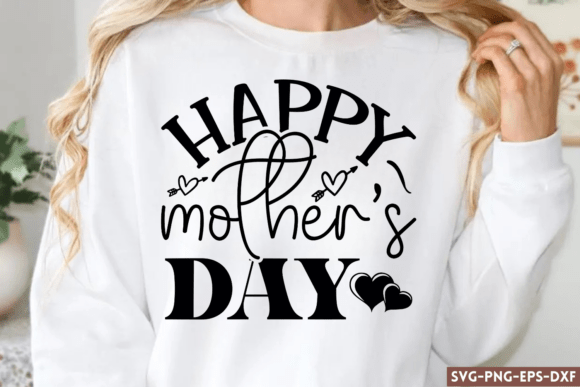
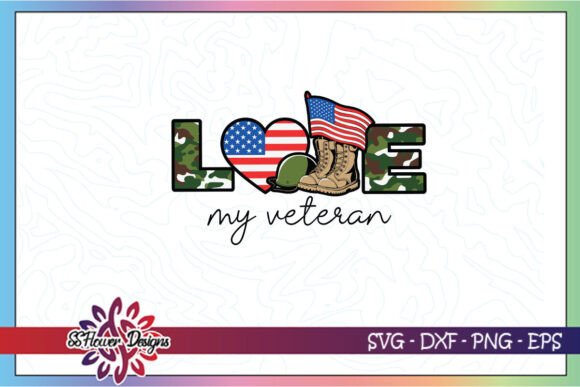
The design lands softly: rounded lettering, gentle script for “Love My Veteran Mom,” and a cheerful “Happy” tucked beneath like a whispered thank-you. No sharp angles, no aggressive fonts—just approachable warmth. Visually, it reads as heartfelt, not flashy. That’s critical for embroidery: busy or overly tight layouts fracture under stitch tension, but this one breathes. The spacing between letters gives satin stitch room to settle without crowding; the curves are generous enough to avoid thread nesting in corners. It’s clearly built for legibility—not just on screen, but after 5,000 stitches.
Where It Shines: Real Projects, Real People
Last week, I prepped a small-batch run of cotton twill tote bags for a local VFW chapter’s Mother’s Day event. We chose Love My Veteran Mom Happy SVG for the front panel—centered, medium scale (about 4.5" wide), stitched in navy thread on oat-colored fabric. Why it worked: the moderate height of the letterforms kept vertical stitch count manageable, the open spacing prevented fill-stitch bleed on the textured weave, and the overall shape balanced well on the curved bag surface. Customers didn’t just recognize the message—they paused. Smiled. Told stories. That emotional resonance is rare—and it starts with how a design *holds up* in thread.
It’s equally effective on soft sweatshirts (use light cutaway stabilizer), baby onesies (scale down to ~3", opt for reduced density fill stitch), and tea towels (where crisp edges matter more than texture). As an embroidered patch? Yes—but only if digitized properly first: the current PNG delivery means you’ll need to convert it to a machine embroidery file (DST, PES, etc.) with attention to underlay and pull compensation. Don’t skip that step.
Where to Pause—and Plan Ahead
This isn’t a one-size-fits-all embroidery file. On dark fabrics, test thread contrast carefully: light tan or cream thread reads warmly, but pale yellow can disappear on charcoal heather. On stretchy knits (like ribbed caps or lightweight tees), add tear-away + iron-on hybrid stabilizer—those gentle curves tighten unpredictably without support. And avoid cramming it into hoops smaller than 4x4": the “Veteran” descender and “Happy” baseline need breathing room, or tiny lettering blurs under dense satin coverage.
Also note: because it’s delivered as a single high-res PNG (300 DPI, transparent background), it’s not ready-to-embroider out of the box. You’ll need to digitize it—or source a pre-digitized version. That means checking licensing before listing finished embroidered items on Etsy or at craft fairs. If your craft business sells physical products, confirm commercial use rights. If you sell digital embroidery files, verify whether redistribution or derivative creation is permitted.
Design Notes Every Embroiderer Should Run Through
- Test first: Stitch a sample on scrap fabric matching your final product’s weight and texture.
- Stabilize smartly: Light cutaway for stable wovens; cutaway + topping for napped or fuzzy surfaces like fleece.
- Check density: Overly dense fill areas can pucker thin cottons—reduce fill density by 10–15% for baby items or lightweight linens.
- Review small details: Zoom in on the “y” in “Happy” and the tail of “r” in “Veteran”—these anchor points must stay clear post-stitch.
- Mock it both ways: Preview in black-and-white and grayscale to gauge value contrast before committing thread colors.
- Compare backgrounds: View the PNG against light, dark, and mid-tone fabric swatches digitally—what looks bold on white may fade on ecru.
- Think beyond apparel: It works beautifully as a printable for greeting cards or framed nursery art—but remember, the PNG is optimized for print clarity, not embroidery fidelity.
Why This Design Builds Trust—Not Just Products
When a customer orders a personalized gift for their mom who served, they’re not buying thread and fabric. They’re buying respect, recognition, and care. Love My Veteran Mom Happy SVG delivers that tone visually—and when executed well in embroidery, it elevates the entire handmade product. Clean stitching says “I paid attention.” Thoughtful placement says “this was made for her.” That kind of professionalism builds repeat buyers, word-of-mouth referrals, and genuine brand consistency across your craft business.
It also performs well in digital contexts: as a printable mockup for your Etsy listing, it reads clearly at thumbnail size; as part of a holiday gift bundle (think: embroidered towel + matching card), it creates cohesive visual storytelling. But don’t mistake versatility for invisibility—the design has personality. Use it where warmth and sincerity are the goal, not where irony or minimalism dominates.
Final Thought: A Design That Earns Its Place
Love My Veteran Mom Happy SVG doesn’t shout. It invites. It fits naturally into the Crafts category because it serves makers—not just as decoration, but as emotional infrastructure. Whether you’re an Etsy seller building a military appreciation shop, a small-batch apparel decorator, or a hobbyist stitching gifts for family, this design earns its spot in your toolkit when you treat it with intention: digitize thoughtfully, stabilize honestly, and stitch with respect—for the message, the maker, and the mom behind it.