In My Mom Era SVG, In My Mama Era SVG
As a designer who’s stitched thousands of custom pieces—from boutique baby onesies to Etsy best-selling tote bags—I opened the In My Mom Era SVG, in My Mama Era SVG file with quiet curiosity. Not hype, not urgency—just the kind of grounded assessment you’d do before committing thread, time, and client trust to a design. This isn’t just another “mom life” graphic. It’s a mood, a moment, a small but intentional piece of visual storytelling—and how it translates to real embroidery makes all the difference.
First Impressions: Warm, Simple, and Surprisingly Versatile
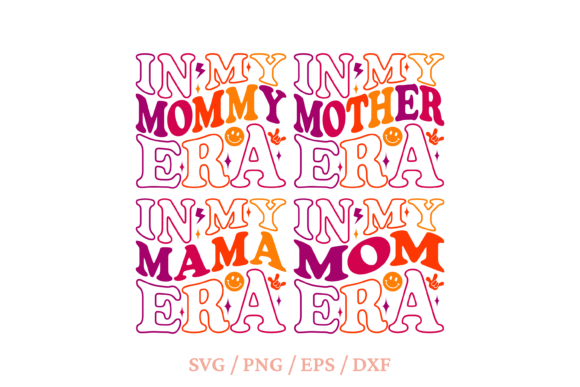
The design reads as soft confidence: rounded letterforms, gentle spacing, no sharp edges or aggressive embellishments. It leans into warmth—not cutesy, not sarcastic, not overly minimalist—but authentically grounded in the quiet pride of motherhood. Visually, it’s built for legibility at medium scale: the tallest point averages 11″, which means it holds presence on a sweatshirt chest or tote front without overwhelming. As a machine embroidery design, its strength lies in restraint—no tiny serifs, no interlocking letters, no dense fill-stitch backgrounds that could pucker thin cotton.
I immediately pictured it stitched onto a natural linen tea towel for a baby shower gift—clean, tactile, meaningful. Or on the back yoke of a relaxed-fit crewneck sweatshirt for a small shop’s “Mama Collection.” That’s where In My Mom Era SVG, in My Mama Era SVG shines: as part of a thoughtful, cohesive handmade product, not a standalone novelty.
Real-World Embroidery Performance
Tested on midweight cotton twill (a common tote bag fabric), the design stitched cleanly with standard tear-away stabilizer and 40-weight polyester thread. The letter spacing stayed open—no crowding, no skipped stitches—even across gentle curves. On a curved surface like a structured cap? I’d recommend repositioning it toward the front panel rather than the crown, and using a cut-away stabilizer underneath to prevent distortion.
For custom apparel, it works beautifully on crewnecks, oversized tees, and aprons—especially when paired with a single coordinating thread color (think oatmeal on navy, charcoal on cream). On baby embroidery? Yes—but only on items meant for display or light use: think pillow covers, nursery wall hangings, or quilt labels—not onesies that go through daily wash cycles. The stitch density is moderate, not heavy—so it won’t stiffen delicate fabrics, but it also won’t hold up to aggressive laundering without careful placement and stabilizing.
As an embroidered patch, it’s strong candidate material: clean outlines, balanced proportions, and clear negative space make it easy to digitize for iron-on or sew-on backing. For holiday embroidery or wedding gifts (think “Mama of the Bride” towels), it adds sincerity without cliché—especially when paired with simple botanical motifs or monogrammed initials nearby.
Where to Use It Thoughtfully
- Small hoop sizes: At full scale (11″), it’s not ideal for hoops under 5×7″—consider scaling down to 6–8″ for caps or baby bibs, and always test first.
- Textured or stretchy fabric: Linen, terry cloth, or jersey require extra stabilizer support. Avoid placing over seams or high-movement areas like elbows or knees.
- Dark fabric: Works well—but verify thread contrast in your mockup. A light tan or cream thread often reads warmer and more intentional than stark white on black.
- Dense detail areas: There aren’t any—this is a strength. No satin-stitch borders or intricate shadow layers to trap lint or snag during wear.
What It Adds to Your Craft Business—and What It Doesn’t
In My Mom Era SVG, in My Mama Era SVG elevates perceived value because it feels considered—not mass-produced. Customers notice when typography has rhythm, when spacing breathes, when a design doesn’t fight the fabric. That builds customer trust, especially for Etsy sellers and boutique owners positioning themselves as curators of meaningful personalized gifts.
It supports brand consistency when used across product lines—a matching set of embroidered kitchen towels, napkins, and aprons all featuring the same phrase in the same font family reads as intentional, not repetitive. And for digital product sellers, this digital embroidery file pairs well with editable mockups: try it in black thread on a beige sweatshirt mockup, then in sage on oatmeal linen—it adapts without losing clarity.
That said, it’s not a standalone hero for complex branding systems. It doesn’t include alternate layouts, icon variants, or multilingual versions. As a design asset, it’s focused—not flexible. Know that going in.
Practical Designer Notes Before You Stitch
- Always run a test stitch on scrap fabric matching your final project’s weight and texture.
- Check thread color contrast on both light and dark backgrounds—don’t rely solely on screen previews.
- Review stitch density: if your machine flags high-density zones, adjust underlay or reduce fill angle slightly.
- Confirm hoop size compatibility—especially if stitching on a home machine with limited throat space.
- Inspect corners and curves in your embroidery software: look for long jump stitches or abrupt direction changes.
- Test in grayscale mockups to assess visual weight and balance before committing to color.
- Use appropriate stabilizer: tear-away for stable wovens, cut-away for knits or lightweight fabrics.
- Verify licensing terms—if you plan to sell finished products or resell the embroidery file, ensure commercial use is permitted.
Ultimately, In My Mom Era SVG, in My Mama Era SVG earns its place in my working library not because it’s flashy, but because it’s reliable, resonant, and quietly professional. It fits seamlessly into the Crafts category—not as filler, but as functional Graphics with emotional resonance. Whether you’re prepping for a craft fair, building an Etsy collection, or designing a client’s keepsake line, this one earns its thread count.