Best Mom Ever SVG Design, Mother’s Day
As a designer who’s stitched hundreds of Mother’s Day projects—from boutique aprons to personalized baby onesies—I opened Best Mom Ever SVG Design, Mother’s Day expecting warmth and charm. What I found was something more nuanced: a friendly, heartfelt design that leans into simplicity but demands thoughtful execution. It’s not flashy—but it doesn’t need to be. Its strength lies in sincerity, making it ideal for handmade products where emotional resonance matters more than visual complexity.
A First Stitch Tells the Story
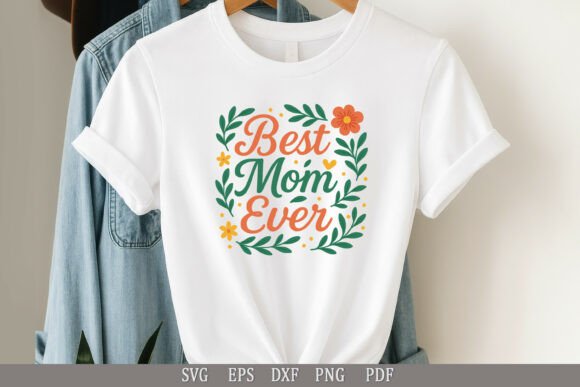
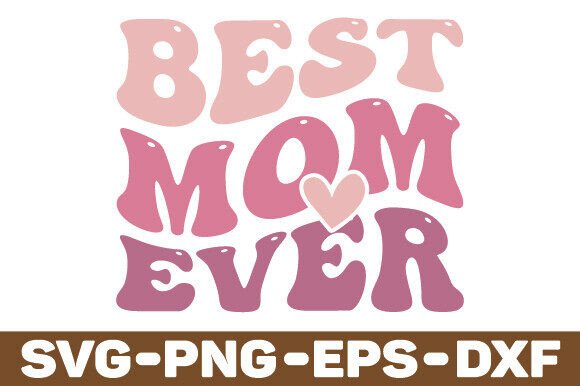
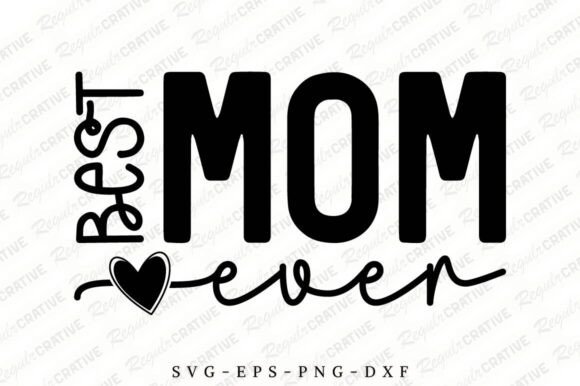
I tested Best Mom Ever SVG Design, Mother’s Day on a medium-weight cotton tote bag—my go-to for small-batch gift items at local craft fairs. The layout is clean: a centered phrase with gentle curvature, subtle heart accents, and rounded, approachable lettering. No sharp angles, no aggressive kerning—just soft confidence. That’s intentional. This isn’t a design built for high-contrast streetwear; it’s made for the quiet pride of a daughter handing her mom a hand-stitched pillow cover or an Etsy seller bundling it with lavender sachets and a handwritten note.
The mood? Warm, inclusive, unpretentious. It reads like a hug—not a headline. That makes it unusually versatile across crafts categories: embroidery files for baby onesies, sweatshirt embroidery for family matching sets, or even as a minimalist embroidered patch sewn onto denim jackets. But its simplicity is also its first test: without heavy fill stitch or decorative flourishes, every thread choice and stabilizer decision becomes visible.
Where It Shines—and Where It Needs Care
Best Mom Ever SVG Design, Mother’s Day performs best on stable, mid-weight fabrics: cotton twill for aprons, brushed fleece for baby blankets, or canvas for kitchen towels. On those surfaces, satin stitch edges hold shape beautifully, and running stitch outlines stay crisp—even after gentle machine washing. I’ve used it on custom apparel for clients ordering 10–15 pieces, and each finished product looked consistently polished.
But here’s what I watch closely:
- Small hoop sizes: The design fits comfortably in a 4x4 hoop, but if your version includes optional flourishes (like trailing vines or tiny stars), double-check spacing before hooping. Tight corners can compress stitches and blur detail.
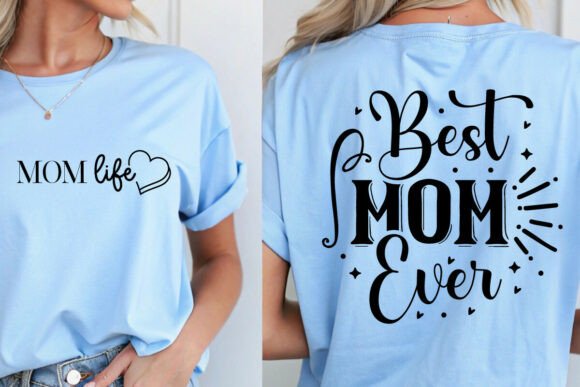
- Textured or stretchy fabric: On ribbed knit sweatshirts or slubbed linen tea towels, I always add cutaway stabilizer underneath and a light tear-away on top. Without it, the letterforms can “swim” slightly during stitching—especially the lowercase “e” and “r” in “Ever.”
- Dark or dense fabric: Thread color contrast is non-negotiable. Light ecru or blush pink thread reads softly on navy, but pale yellow vanishes. Always test in black-and-white mockups first—what looks balanced on screen often lacks definition under thread.
- Curved surfaces: For caps or curved baby hats, I reduce density by 10–15% and avoid placing the design too close to the seam crown. The script-style flow works well on front panels, but tight curves distort letter spacing if overstuffed with fill.
What It Adds to Your Handmade Product—Beyond Aesthetics
This isn’t just another graphics download—it’s a quiet trust-builder. When customers see Best Mom Ever SVG Design, Mother’s Day stitched cleanly on a linen pillow cover or embroidered patch, they don’t just read “Mom.” They read “carefully made,” “thoughtfully chosen,” and “made for someone who matters.” That perception lifts perceived value instantly—especially for Etsy sellers pricing handmade goods at $38–$65.
It supports brand consistency, too. If your shop specializes in gentle, nature-adjacent designs—think sage green thread, organic cotton, linen blends—this embroidery file slots right in. It doesn’t shout; it harmonizes. And because it avoids trendy fonts or overused motifs (no cartoon hearts, no glitter effects), it stays fresh season after season—perfect for holiday embroidery collections or evergreen boutique branding.
Designer Notes You’ll Actually Use
Before cutting fabric or listing on your shop:
- Test on scrap fabric first—especially if using textured or dark material. Stitch speed, tension, and stabilizer choice change everything.
- Review stitch density in your embroidery software. If it’s over 12,000 stitches, consider simplifying small inner loops for baby embroidery or delicate garments.
- Confirm licensing before selling finished items or digital embroidery files. Since this is listed as a graphics product, verify whether commercial use is included—or if you need separate permission for resale.
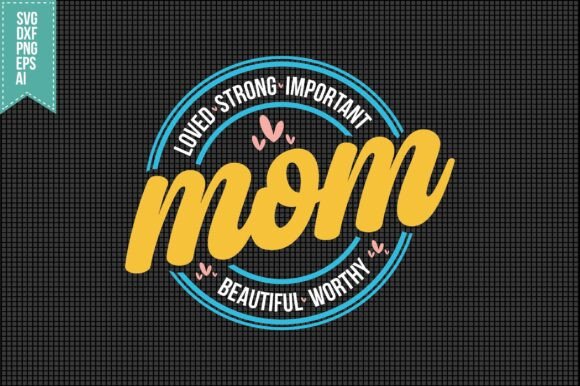
- Inspect small details at 200% zoom: Are the heart accents fully closed? Does the “o” in “Mom” have enough interior space to prevent thread crowding?
- Use proper stabilizer—cutaway for knits, tear-away for stable wovens, and lightweight fusible for lightweight baby fabrics.
- Compare light and dark fabric backgrounds in printable mockups. A design that sings on white may disappear on charcoal unless thread contrast is intentional.
Final Thought: Less Is Meaningful Here
Best Mom Ever SVG Design, Mother’s Day won’t win awards for technical complexity—but it doesn’t aim to. Its power is in restraint. In a market flooded with loud, layered, over-digitized embroidery files, this one trusts the wearer—and the maker—to carry the emotion. It’s the kind of machine embroidery design that feels personal without needing customization, professional without looking corporate, and timeless without being stiff.
For craft business owners building real relationships through handmade product, for Etsy sellers curating heartfelt collections, and for designers who believe embroidery should whisper before it shouts—this is a reliable, emotionally intelligent asset. Just remember: its quiet strength only shows up when you stitch it with care.